



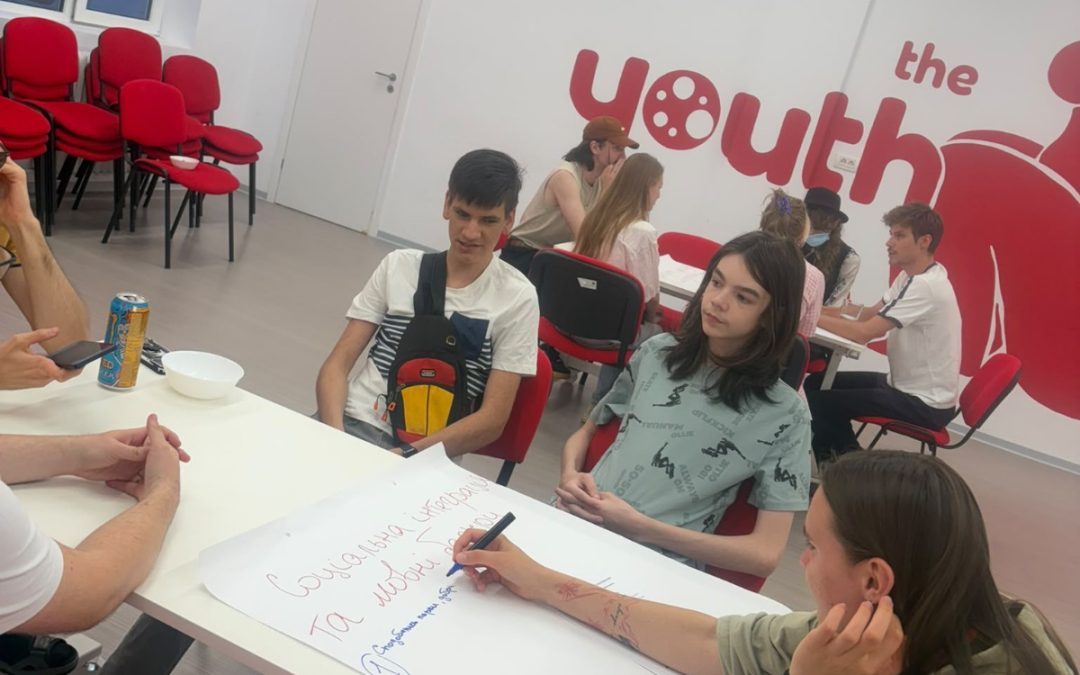
As part of the “Pathways to Belonging” project, we continued our series of Public Café consultations with young Ukrainians in Bucharest. The fifth session once again brought young people together to openly discuss their experiences of living abroad, the challenges they face, the opportunities they have discovered, and their hopes for the future.
The consultation explored six key areas connected to the lives of young Ukrainians in Romania: social integration and language barriers, mental health and well-being, education and professional development, cultural identity and intercultural exchange, civic participation and rights, and future and reintegration.
The discussions highlighted both the progress young Ukrainians have made since arriving in Romania and the difficulties that continue to shape their everyday lives. Language, employment, social connections, emotional well-being, cultural identity, and uncertainty about the future remain closely connected to their experience of building a life abroad.
Social Integration and Language Barriers
For many participants, their first impressions of Romania were connected with its parks, pleasant people, and beautiful cities. Humanitarian aid and youth centres also played an important role in helping them feel more comfortable in their new environment.
Communication with local people was described as generally positive, particularly when English can be used, although misunderstandings can still occur. For those who already have a good knowledge of Romanian, language may no longer be the biggest everyday obstacle, but it can still make situations such as dealing with documents or meeting new people more difficult.
FNT, universities, and schools were mentioned as places where young Ukrainians feel particularly connected to the local community. Building relationships has often happened through events, common interests, a willingness to communicate, and sometimes simply being placed in situations where interaction was necessary.
At the same time, some social situations remain challenging. Participants spoke about feeling that, even when they know the language, it can sometimes be difficult to feel on the same level as Romanians, particularly when encountering more conservative attitudes.
Participants suggested that local communities could make young Ukrainians feel more welcome by being more open, inviting them to participate, and approaching them without bias.
Mental Health and Well-being
The conversation about mental health focused on the everyday things that help young people maintain emotional balance. Creativity, personal achievements, food, peaceful spaces, enough sleep, and spending time with friends were all mentioned as important sources of well-being.
For participants, a “good day” can be surprisingly simple: getting enough sleep, eating well, not being in a hurry, doing something useful for personal development, and spending time with people close to them.
When things become difficult, young Ukrainians may turn to friends, family, psychologists, personal notes, hobbies, animals, or comforting objects. Living abroad has also required participants to find new ways of taking care of themselves and replace services or routines that were more accessible in Ukraine.
Creative and social activities such as dancing, singing, music, art, sports, and games provide opportunities to disconnect from everyday worries. Spaces such as FNT, DND, and events like ComicCon were also identified as places where young people can feel less alone.
However, participants mentioned exams, work, constant communication, language difficulties, and concerns about the impact of AI on employment as factors that can make them feel overwhelmed.
More volunteering opportunities, informational events, and diverse activities were suggested as ways organizations and communities could support young people's well-being.
Education and Professional Development
Moving abroad has created new opportunities for learning and personal development. Participants described gaining education in new fields, learning more about Romania, and reconsidering some stereotypes they previously had.
Student scholarships, the English Speaking Club, volunteering, and conferences and forums for Ukrainians abroad were identified as particularly valuable opportunities for personal growth.
Looking ahead, participants would like to strengthen their communication and language skills, career-specific abilities, work-life balance, and professional adaptation. They also emphasized the importance of being able to express their thoughts clearly and remain connected to reality while adapting to new environments.
Living abroad has influenced studies and work for some participants by making them more motivated and showing them that the world can be more open than they had previously imagined.
Language learning — particularly Romanian and languages in general — was described as one of the most useful learning experiences. Adaptation skills and early experiences of living abroad were also considered highly influential.
Nevertheless, finding suitable employment remains challenging. Language barriers, bias towards Ukrainians as people from outside the EU, and a limited number of job opportunities were identified as important obstacles.
Participants usually look for information about courses and education through the internet, friends, and their social circles. Creative fields such as architecture, music, and cinema, as well as philology, were mentioned as areas participants would like to explore.
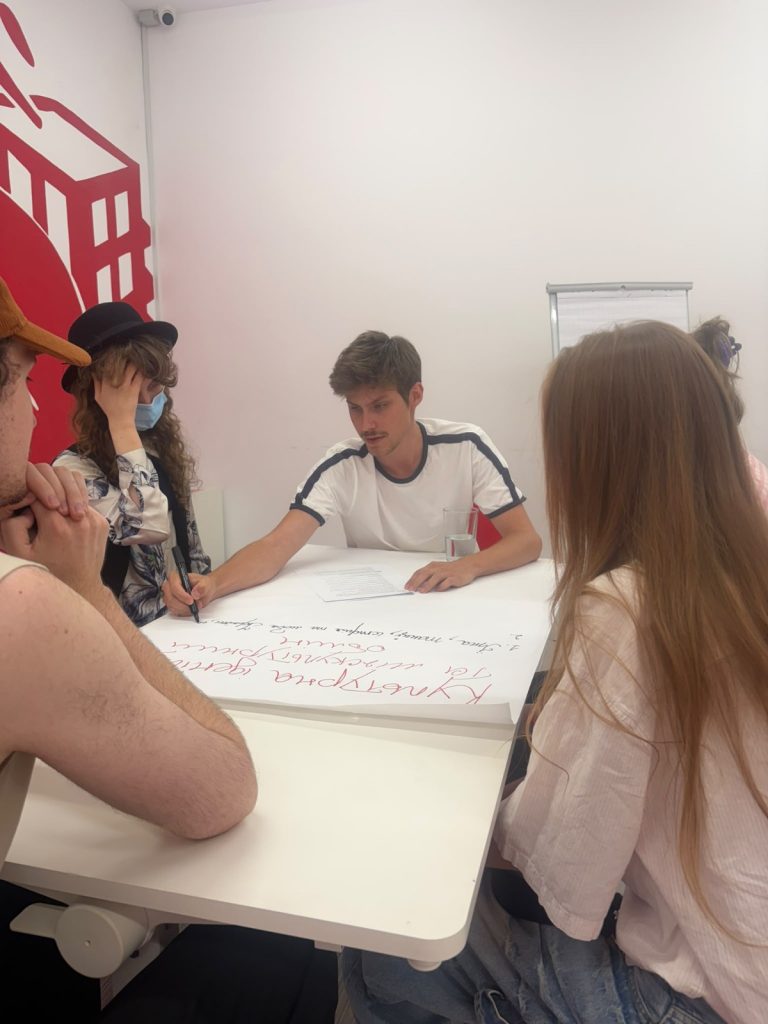
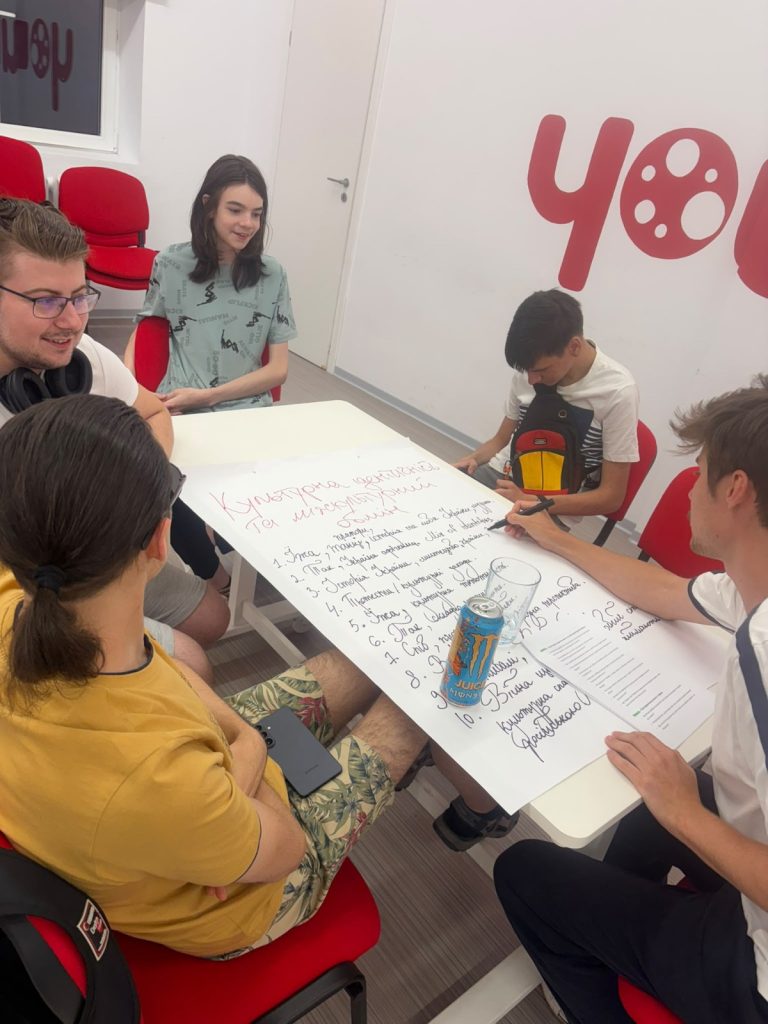
Cultural Identity and Intercultural Exchange
Living abroad has not erased participants' connection with Ukrainian culture. Food, flags, dancing, Ukrainian history and language, and music remain important parts of everyday life.
At the same time, participants described their identity as becoming a mixture of different identities — reflecting the experience of living between cultures and adapting to a new environment.
Participants would like people from other countries to know more about Ukrainian history, art, and national dishes. They continue to connect with Ukrainian culture through protests, cultural events, and Ukrainian-language content.
The exchange works both ways. Participants also identified aspects of Romanian culture that they particularly enjoy, including food, cultural identity, and the country's approach to school education.
Cultural differences can sometimes lead to situations that are difficult to explain or interpret. However, participants see intercultural exchange as an opportunity to learn about different worldviews and perspectives.
Festivals and language-exchange activities were among the international activities they would most like to participate in.
When introducing Ukraine to others, participants often begin with the reality that the war is still ongoing, the existence of martial law, and aspects of Ukrainian cultural heritage that are sometimes incorrectly perceived as Russian.
Civic Participation and Rights
Participants generally described themselves as having a good understanding of their rights and opportunities in Romania and felt that young people can have a voice in their local community. Scholarships and age-related issues were among the topics raised during the discussion.
Practical factors can strongly influence whether young people decide to participate in local projects. Participants mentioned transportation, free food, and financial support as incentives that can make participation more accessible.
Social media, doomscrolling, and the war were identified as issues young people would like to discuss more openly.
Participants already have experience with community activities, including musical events, interactive games, and European Solidarity Corps activities. FNT, Telegram community groups, Instagram, and the internet are important sources for discovering opportunities for young people.
At the same time, more promotion is needed. Some young people may also hesitate to participate because they fear rejection from the local community.
Participants preferred organizations and institutions to communicate through social media. They also highlighted employment-related questions as an issue that is often overlooked when discussing the challenges faced by young people.
Finally, they emphasized that volunteering and civic activities should be well structured in order to make participation more interesting and accessible.
Future and Reintegration
When looking toward the future, participants are most interested in seeing the end of the war and gaining greater confidence and stability in their situation, including clarity around their status as immigrants.
Personal goals and support from people around them help young Ukrainians remain focused despite uncertainty. Moving abroad has also opened opportunities to discover themselves from a new perspective, access education and other opportunities, and benefit from their special status.
The experience of leaving Ukraine has changed the way participants understand what a “good life” means. Looking back, some felt that they had not fully appreciated what they had before leaving.
Education, parents, and friends currently provide important sources of safety and stability.
One of the practical areas where more support is needed is bureaucracy connected with receiving benefits. Looking further into the future, participants mentioned the possibility of having a European passport as part of their imagined life after the war.
The experiences gained abroad are expected to remain valuable. Practising English and participating in pro-human-rights parades were among the experiences participants would like to carry forward.
Participants also reflected on what young Ukrainians can contribute to the countries where they live: Ukrainian culture and their contribution to the labour force.
And if they could return to the beginning of their journey, the advice was simple: learn the language and do not be afraid to be yourself.
Why This Matters
The fifth Public Café demonstrates that integration is a continuous process. For young Ukrainians, it involves not only learning a language or finding a job, but also building relationships, discovering new educational opportunities, taking care of mental well-being, maintaining cultural identity, and finding a place within the local community.
The discussions also show the importance of creating spaces where young people can speak openly about both the opportunities and difficulties they experience. Their perspectives can help organizations better understand what kind of activities, information, and support are most useful.
From language learning and volunteering to cultural exchange and professional development, young Ukrainians are not only adapting to their new environment — they are actively contributing to it.
The Public Café continues to offer a space for this exchange of experiences and ideas, helping turn young people's voices into meaningful action.
We are grateful to everyone who participated in the fifth consultation for sharing their experiences, perspectives, and ideas. We look forward to continuing these conversations and creating more opportunities for young Ukrainians to connect, participate, and build their futures in Romania.
The project “Pathways to Belonging” (EU-UKR-PB) is co-funded by the European Union through the European Solidarity Corps programme.