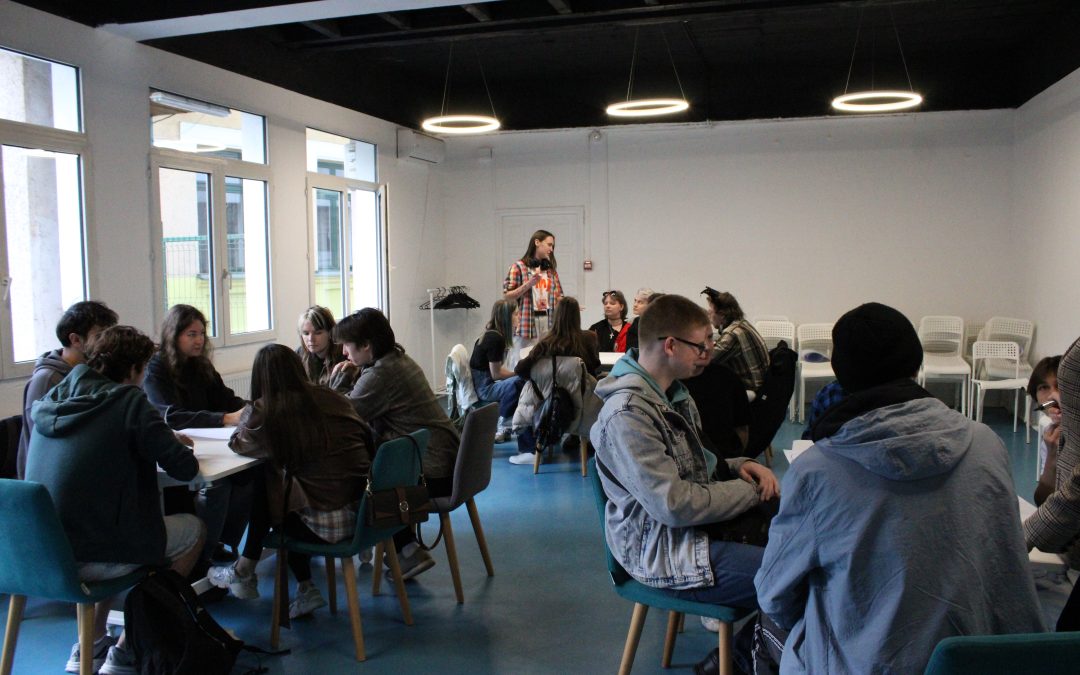
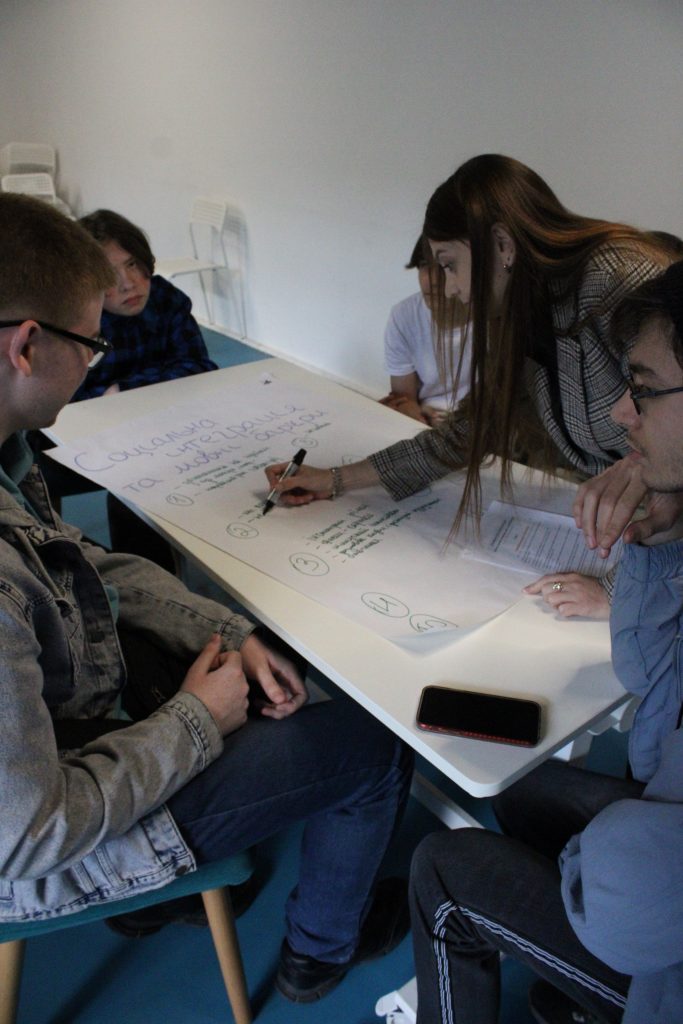
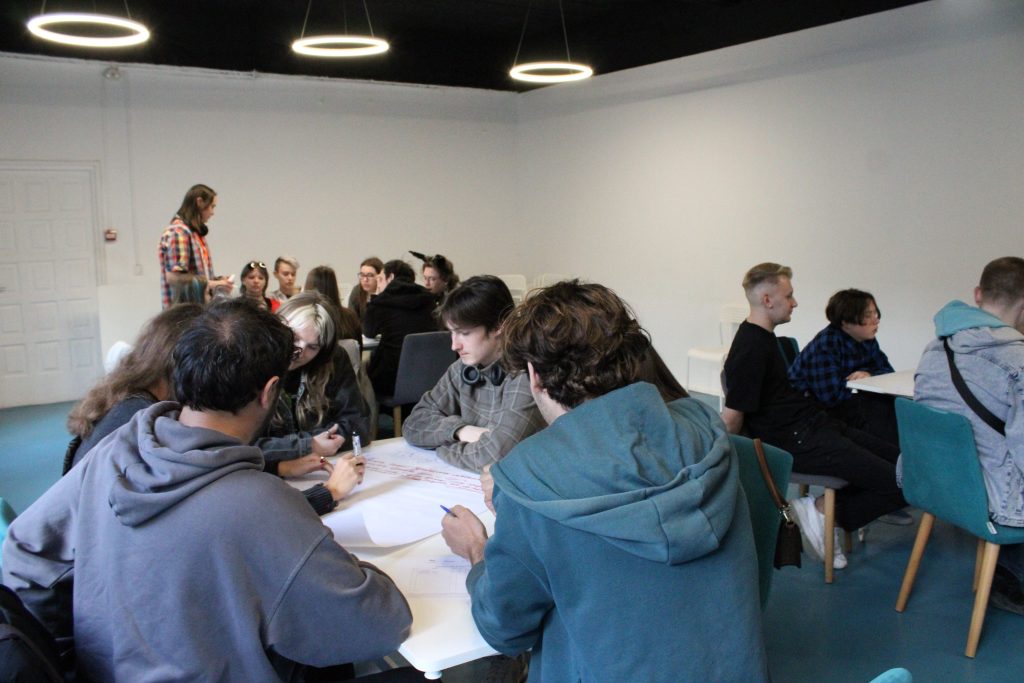
On 17 April, the “Pathways to Belonging” project (EU-UKR-PB) held the first in a series of consultations dedicated to young Ukrainian refugees. The meeting was designed not as a formal survey, but as an open dialogue. It used a method called the Public Café, a relaxed, café-style setting in which participants are invited to speak freely, without the fear of making mistakes and without the pressure of giving the “right” answers.
The choice of this method was deliberate, for young people who have spent more than two years living between two worlds, the one they left behind and the one they are trying to rebuild their lives in, a safe and welcoming space makes the difference between a box-ticking exercise and a genuine conversation. That distinction is exactly what the project rests on.
Why involving young people directly matters
“Pathways to Belonging” starts from a simple conviction, the best solutions for young Ukrainians come from the young people themselves. For this reason, one of the project’s central commitments is to develop a programme that responds to the real needs of participants, continually adjusted on the basis of what they say about their own lives. Consultations are the mechanism that makes this happen, a way of turning beneficiaries from recipients of support into co-authors of the activities that concern them.
This approach also carries a deeper purpose. Moving from being someone who is helped to being someone who is listened to and taken seriously restores a sense of control, dignity and belonging, precisely the resources that displacement erodes most.
The themes discussed
The consultation was structured around six themes, each opened up through questions designed to prompt reflection rather than rehearsed replies.
Social integration and language barriers. The discussions explored the moments when young people feel “out of place” and the small, everyday situations in which language becomes an obstacle. Participants reflected on what truly motivates them to learn the language, necessity or curiosity, on how easy it is to communicate with locals compared with the Ukrainian community, and on what kinds of activities and formats would encourage them to attend regularly and speak more freely.
Mental health and well-being. A sensitive theme, approached with care, the moments of greatest exhaustion, the emotional changes experienced since relocating, what helps them stay strong on difficult days, and the barriers that keep them from seeking professional support. The conversation also touched on how daily news from Ukraine affects their mood, and on what kind of space or activity could become a personal “reset”.
Education and professional development. Young people reflected on the experience and skills that no longer “work” in their new context, on the steps they have already tried to take, and on what they lack in order to feel confident when looking for a job. Questions also arose about the importance of formal recognition of their skills and about what a learning experience that gives a real sense of progress would look like.
Cultural identity and intercultural exchange. Here the conversation turned to what it means to feel Ukrainian far from home, the traditions they would be saddest to lose, and the “small things” that remind them of home. Participants were invited to think about how they would share their culture with others and about which kinds of events would motivate them to take part actively.
Civic participation and rights. This theme surfaced the situations in which they did not understand “how things work here”, the opportunities missed for lack of information, and what being active in the community means to them in concrete terms. The discussion explored how far they feel part of the local community, when they last felt genuinely heard, and in what format they would like to contribute to change.
Future and reintegration. The final theme looked ahead, what “stability” means right now, which factors most influence their decisions, where they sense more opportunities, and what support would help them face tomorrow with confidence. Young people were also encouraged to consider the experience they would want to pass on to other Ukrainians in similar situations.
How the consultation shapes the project
The results of these discussions do not stay on paper. They feed directly into the project’s needs assessment and into the ongoing adjustment of activities, from language sessions and cultural exchanges to educational and well-being programmes. In other words, what was said on 17 April will be reflected in how the meetings, workshops and events of the coming months take shape.
The meeting marks the start of a planned series of consultations running throughout the project, intended to involve a significant number of young Ukrainians directly. Each such session reinforces a participatory logic, the programme stays flexible, relevant and able to adapt as the circumstances of these young people evolve.
Beyond the data and conclusions, the first consultation confirmed an intuition at the foundation of the whole project: belonging is not built for young people, but together with them. And a Public Café in which someone feels, at last, truly heard can be the first step toward that feeling.
“Pathways to Belonging” (EU-UKR-PB), project number 101239630, is funded by the European Union through the European Solidarity Corps, under the Key Action “Volunteering Teams in High Priority Areas” (ESC-SOLID-2025-VTHPA). The 24-month project is coordinated by the National Foundation for Youth (Romania), in partnership with Collectif pour un Service Civique Européen (France) and Stowarzyszenie Projektów Międzynarodowych LOGOS Polska (Poland). It aims to support the social inclusion, civic participation and personal and professional development of young Ukrainian refugees, drawing on a safe-spaces methodology delivered through the network of youth centres coordinated by the National Foundation for Youth.